Timișoara, 22nd of October 2025
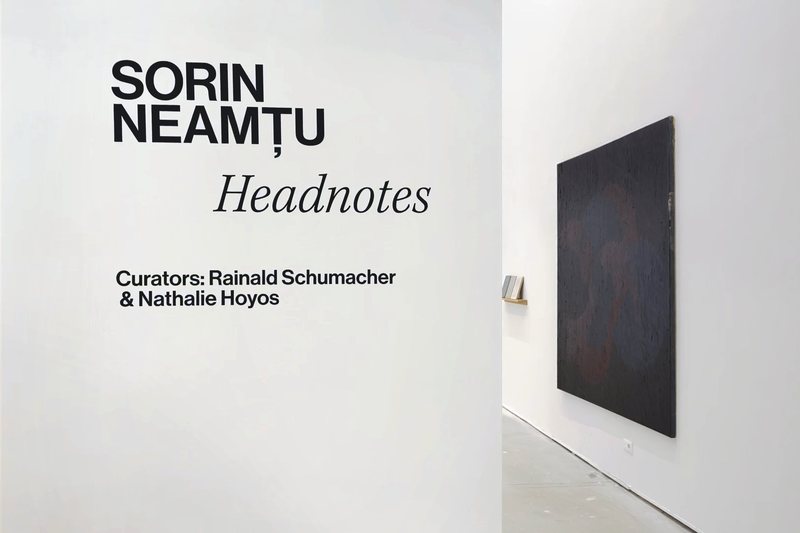
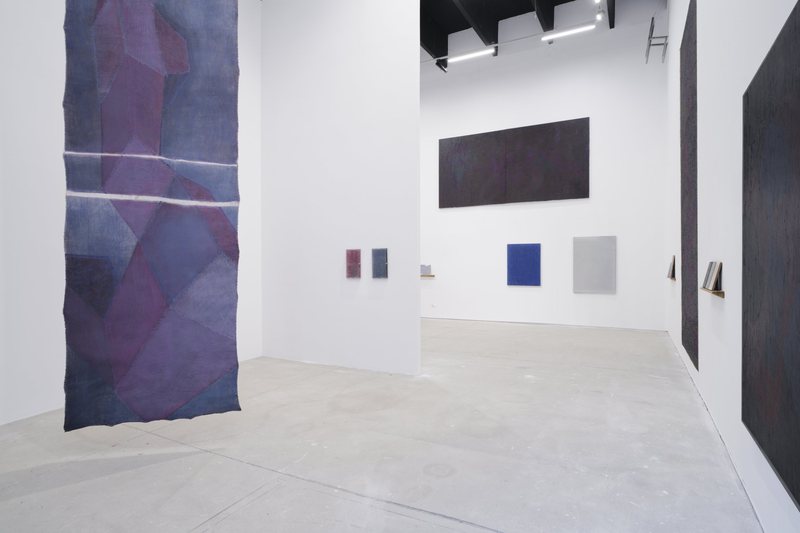
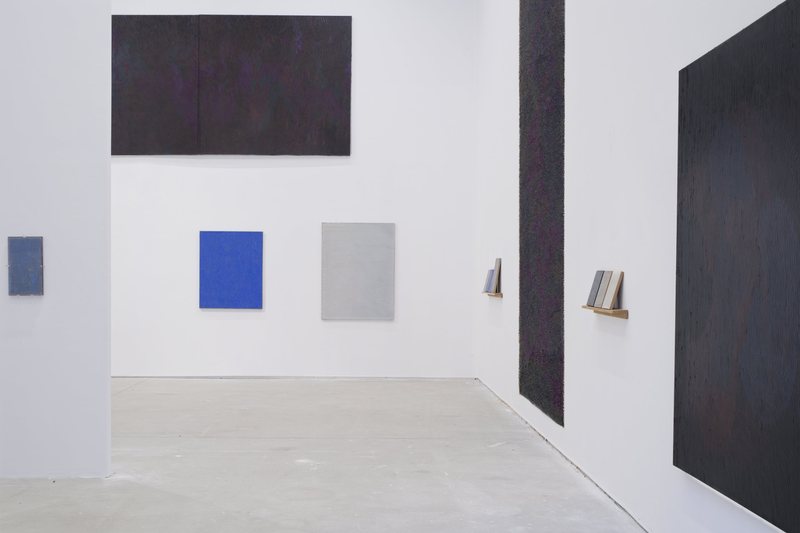
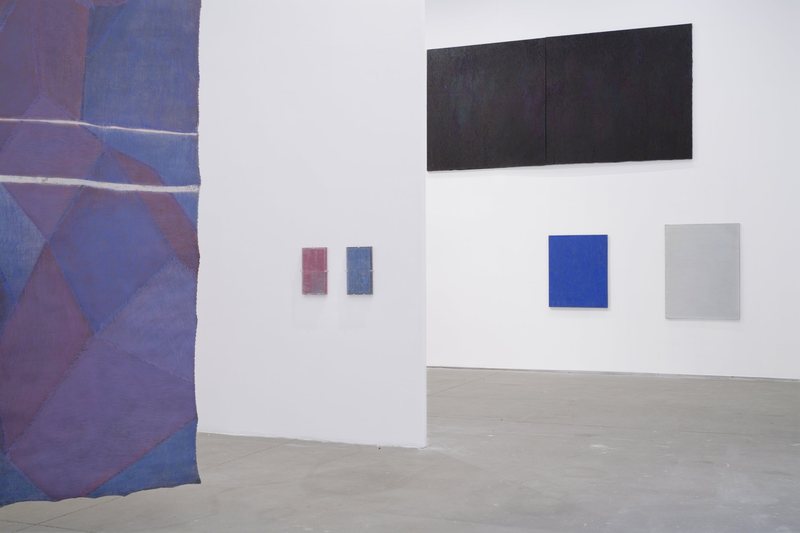
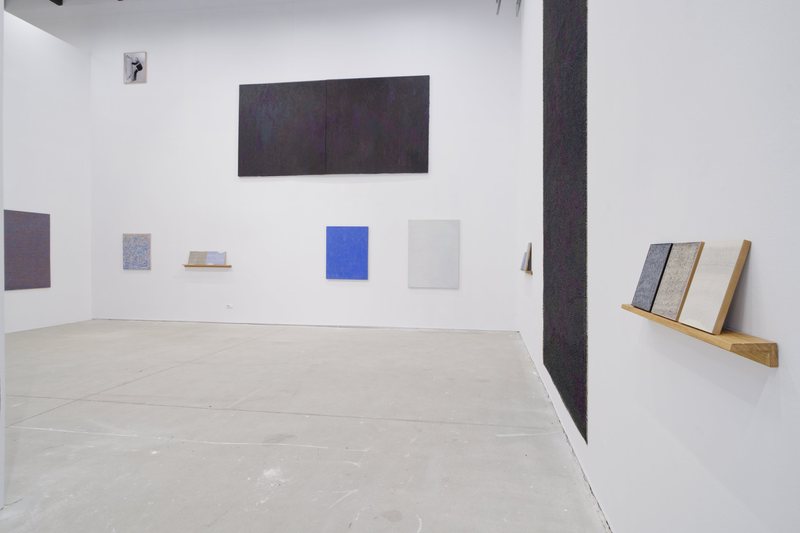
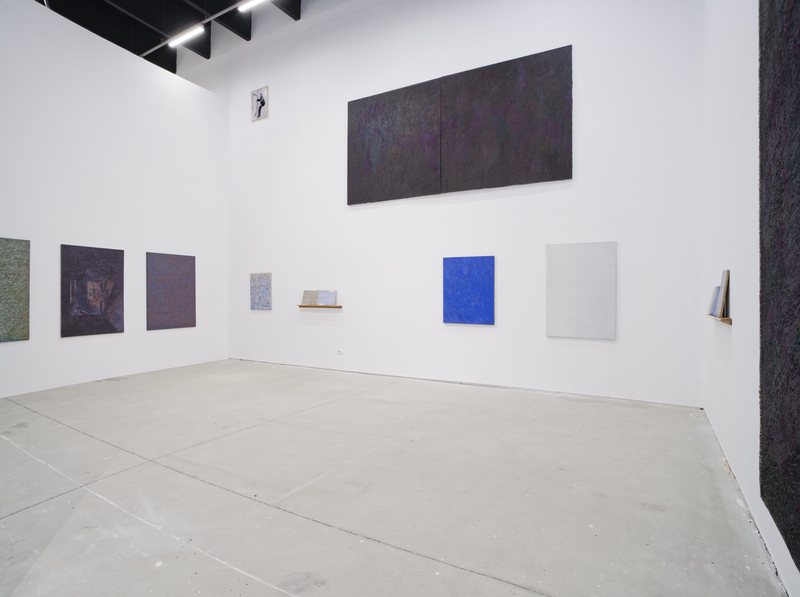
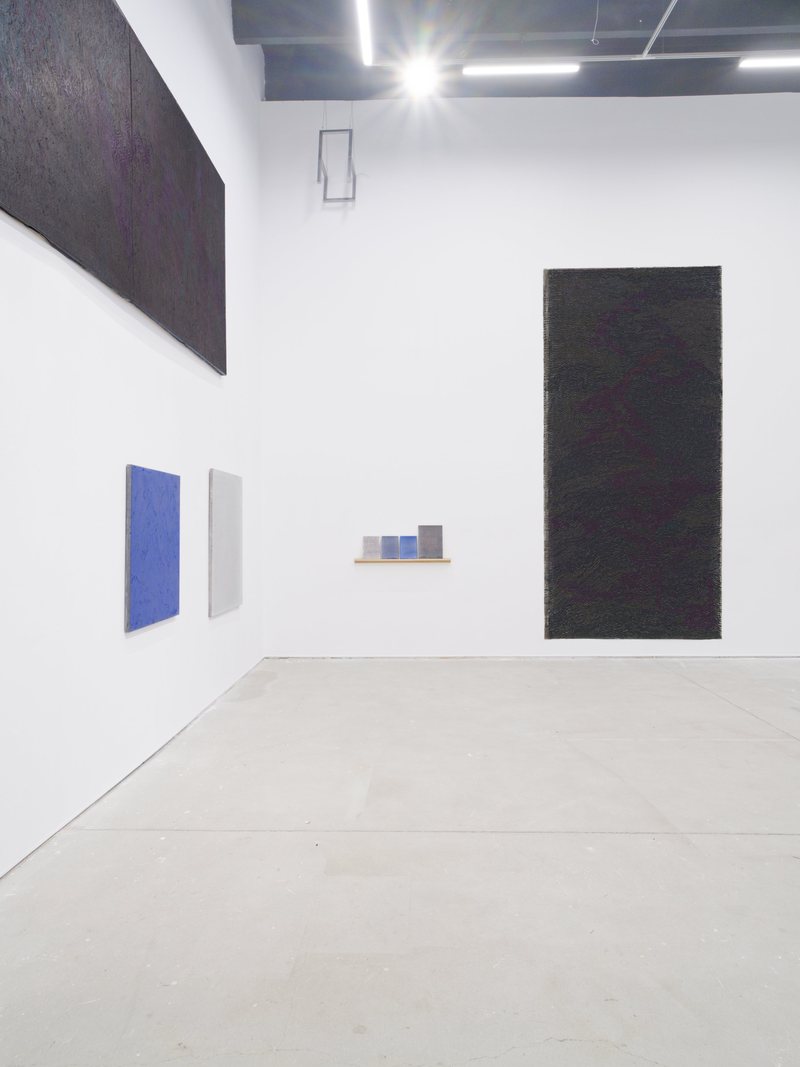
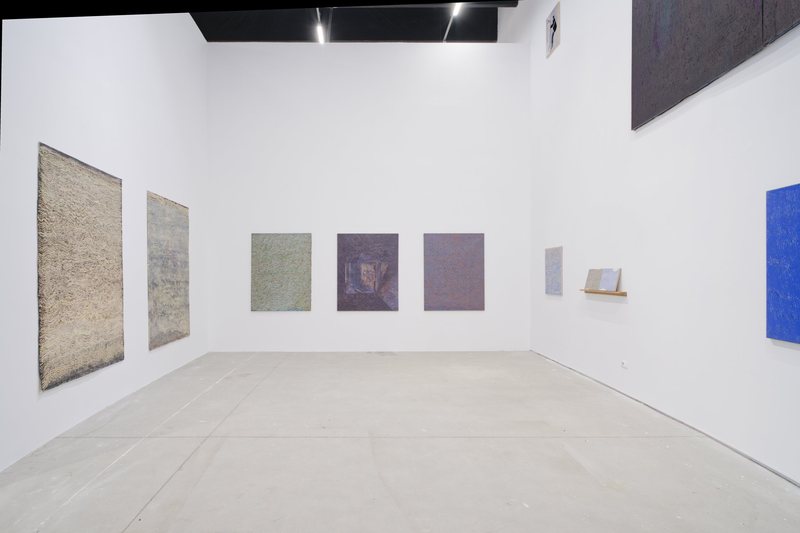
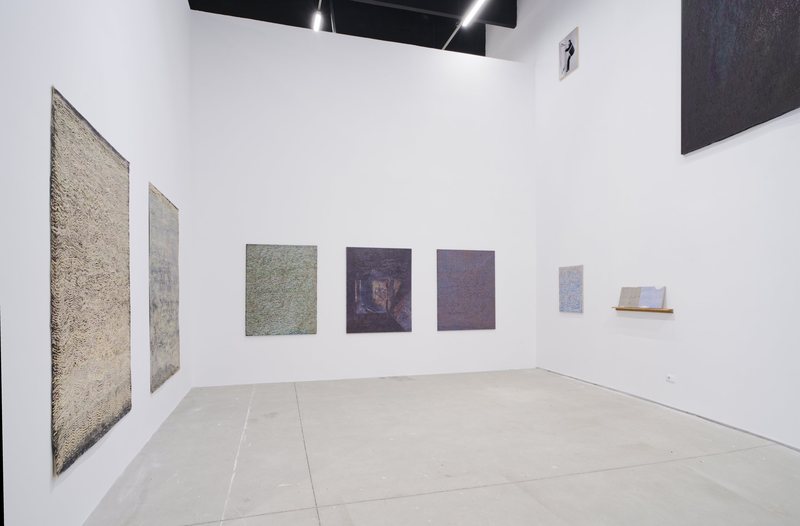
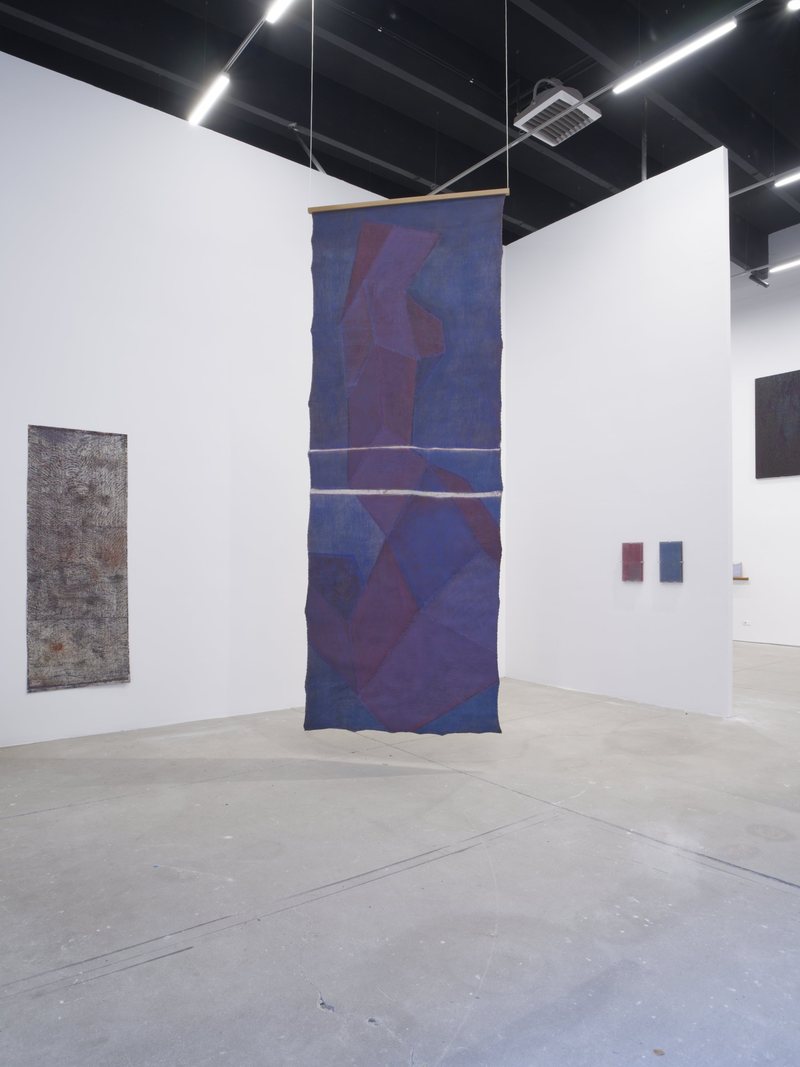
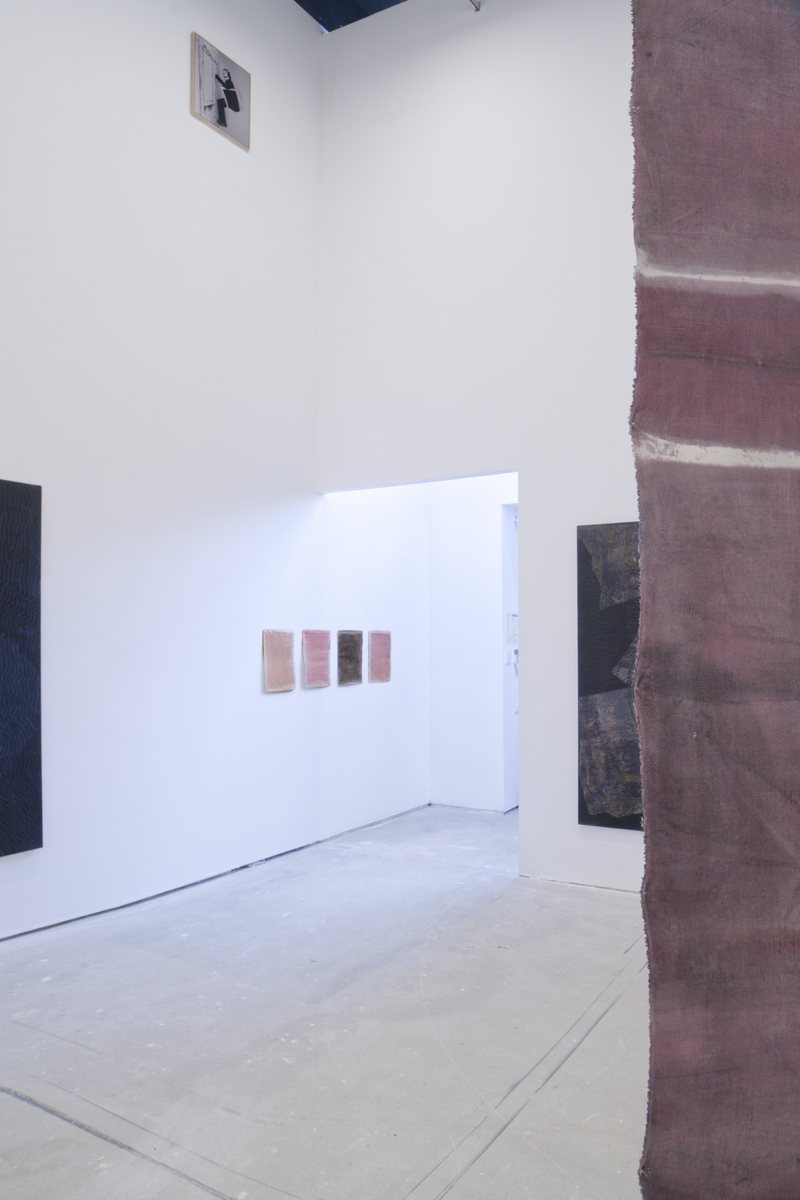
Rainald: We are here in the studio of Sorin Neamțu in Timișoara, and together with Nathalie Hoyos, we are preparing this artist’s upcoming exhibition at Suprainfinit in Bucharest, which will open on the 15th of November this year. It’s a rare opportunity to be in the artist’s studio, so we are pleased to have the chance to pose a few questions.
It’s about painting – an old, traditional medium – so we try to approach it with straightforward questions. And the first one is more about the technical side, the process of painting. Sorin, please tell us how you paint.
Sorin: I can tell you how I paint now. It’s, I would say, a slow process. The paintings I’ve done over the last three years are made deliberately slowly. I think it’s essential to make this point: this intentionally slow process was, in a way, in contradiction with my practice until, let’s say, 2022.
I’m a somewhat speculative type of person, someone who relates spontaneously to the environment and to the world, and that was pretty well reflected in what I was doing before.
So, starting from an almost performative way of painting ten years ago – working simultaneously on large or small canvases with the same paint and the same brush, with a gestural intention – I have recently arrived at a very different, almost opposite approach.
Actually, the short version of the story is that I was sitting here in my armchair, waiting for inspiration. It was a strange process because it involved laziness and all kinds of projections about what I would eventually paint on that white canvas, ready to be painted.
At some point, this type of studio approach was unproductive. So I decided that I needed to work – whatever it was, I just needed to work.
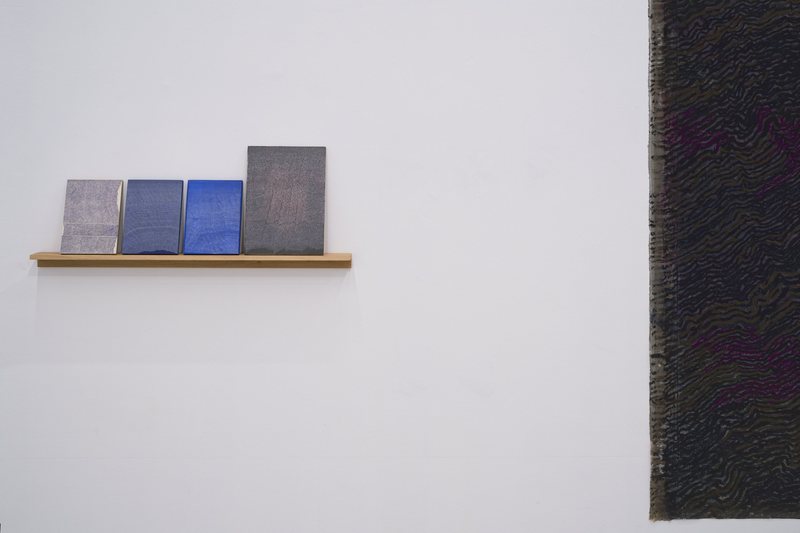
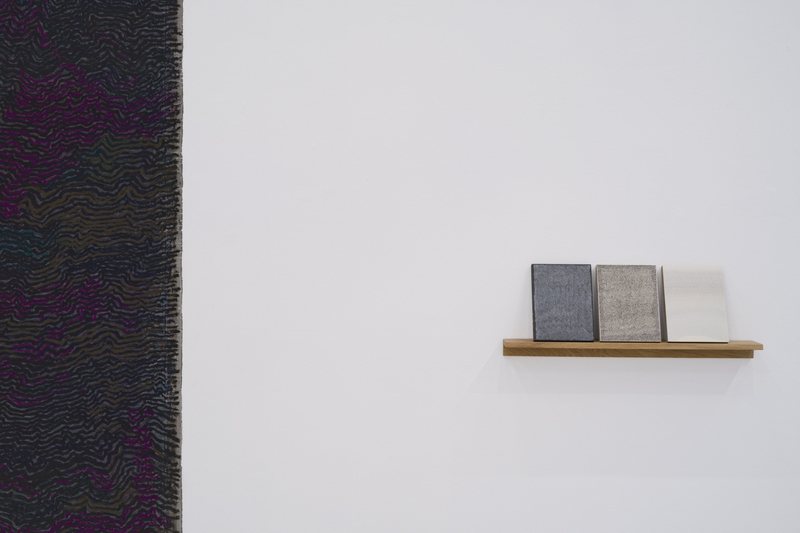
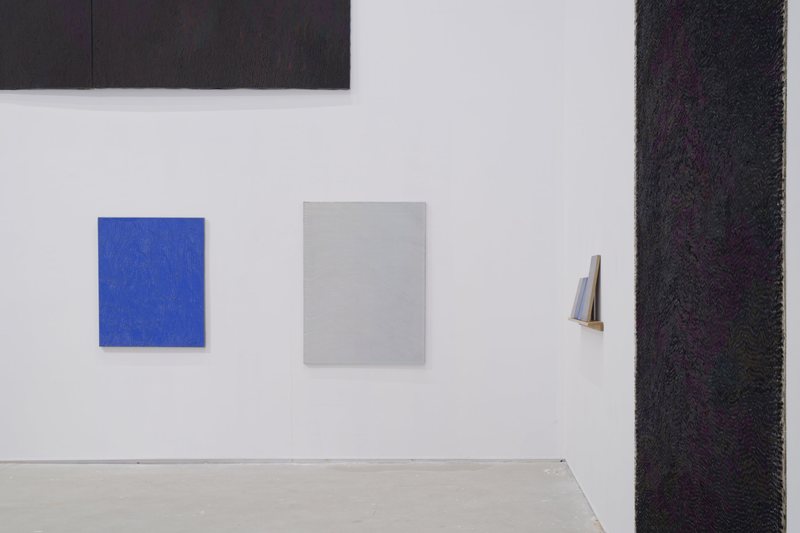
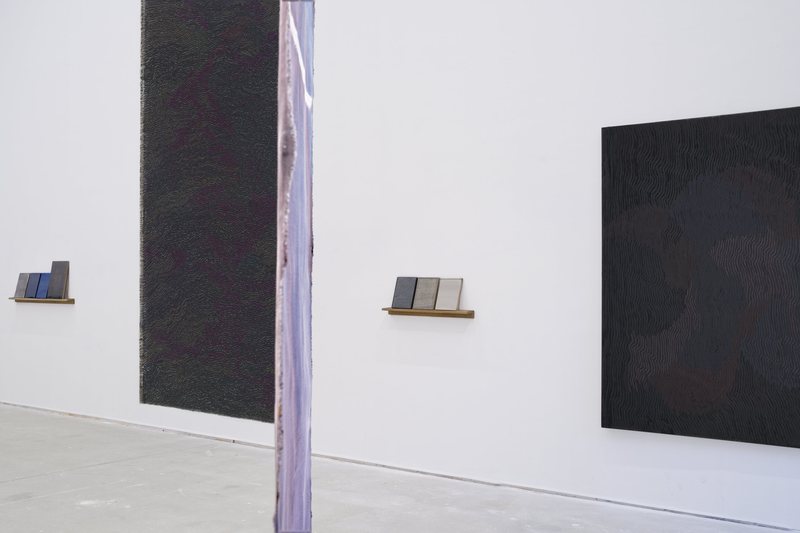
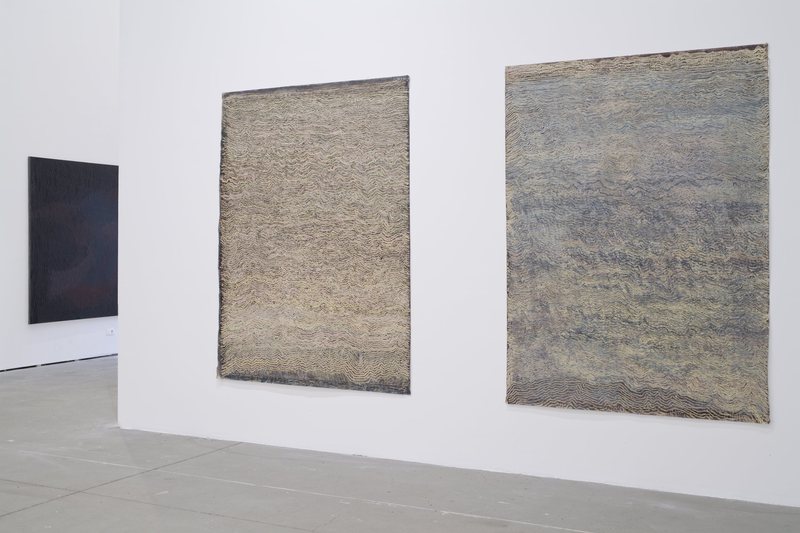
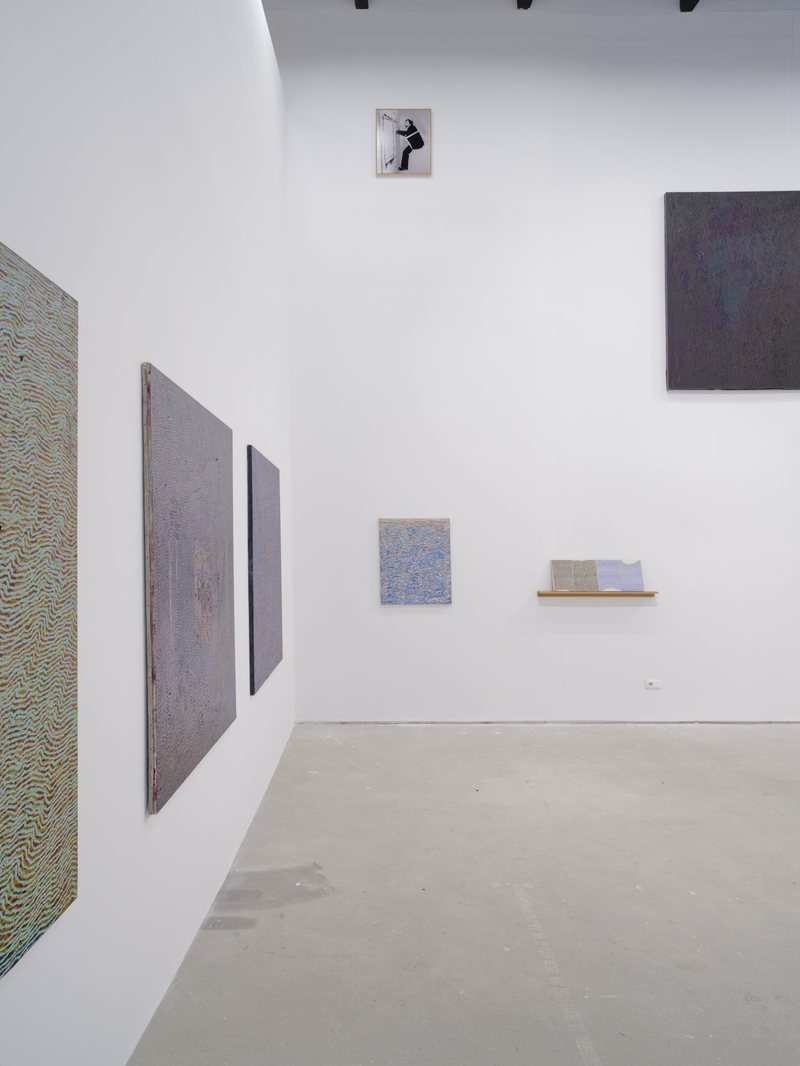
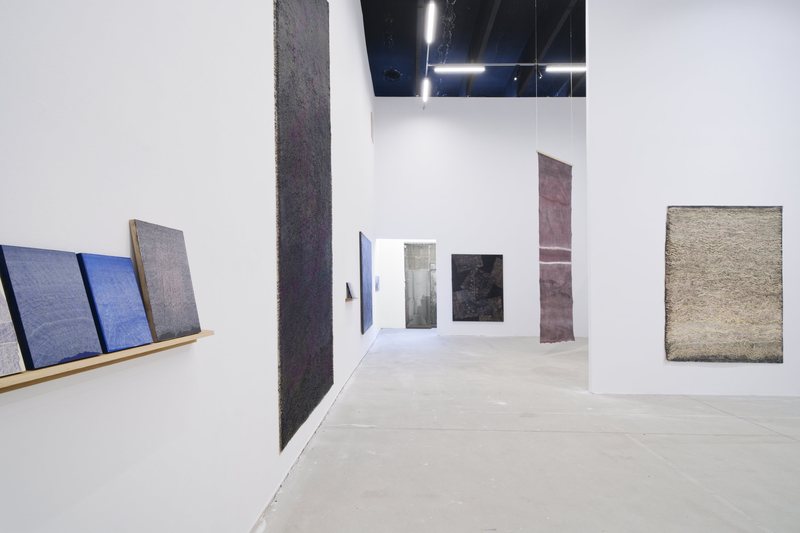
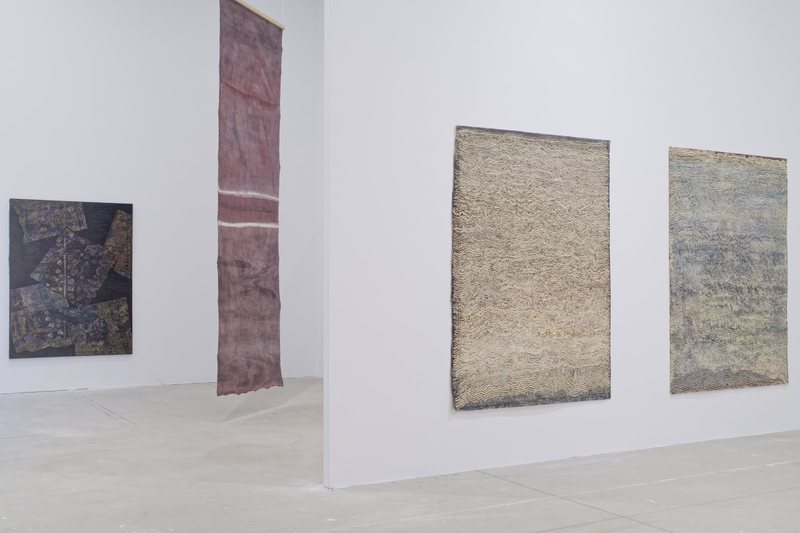
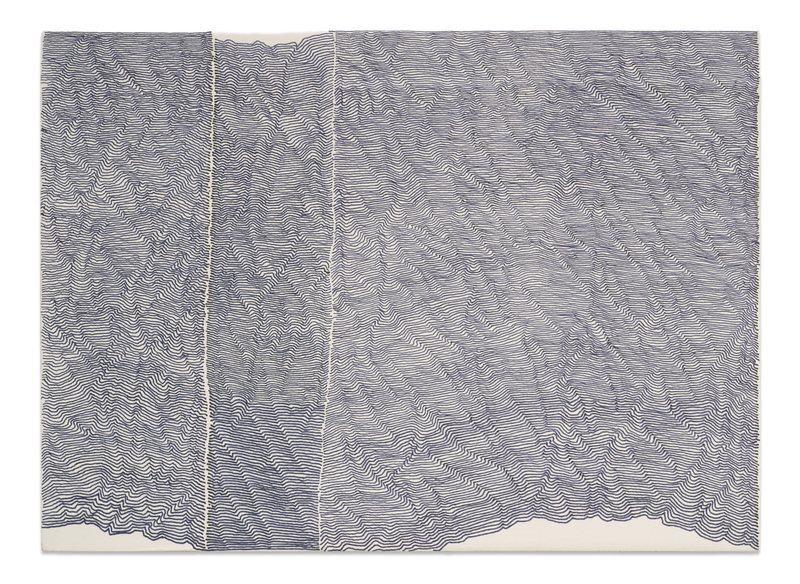
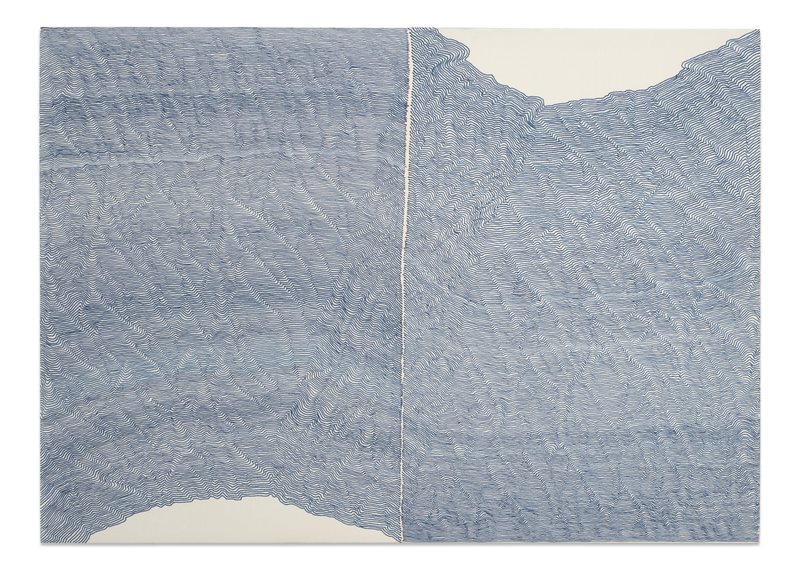
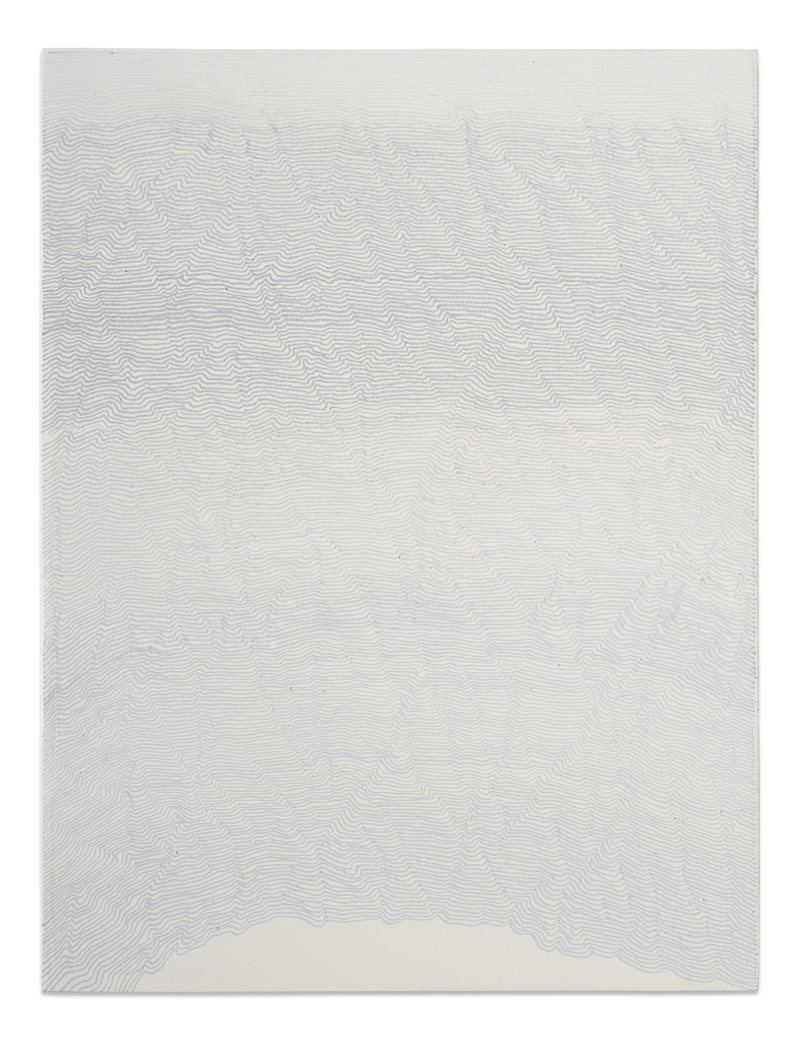
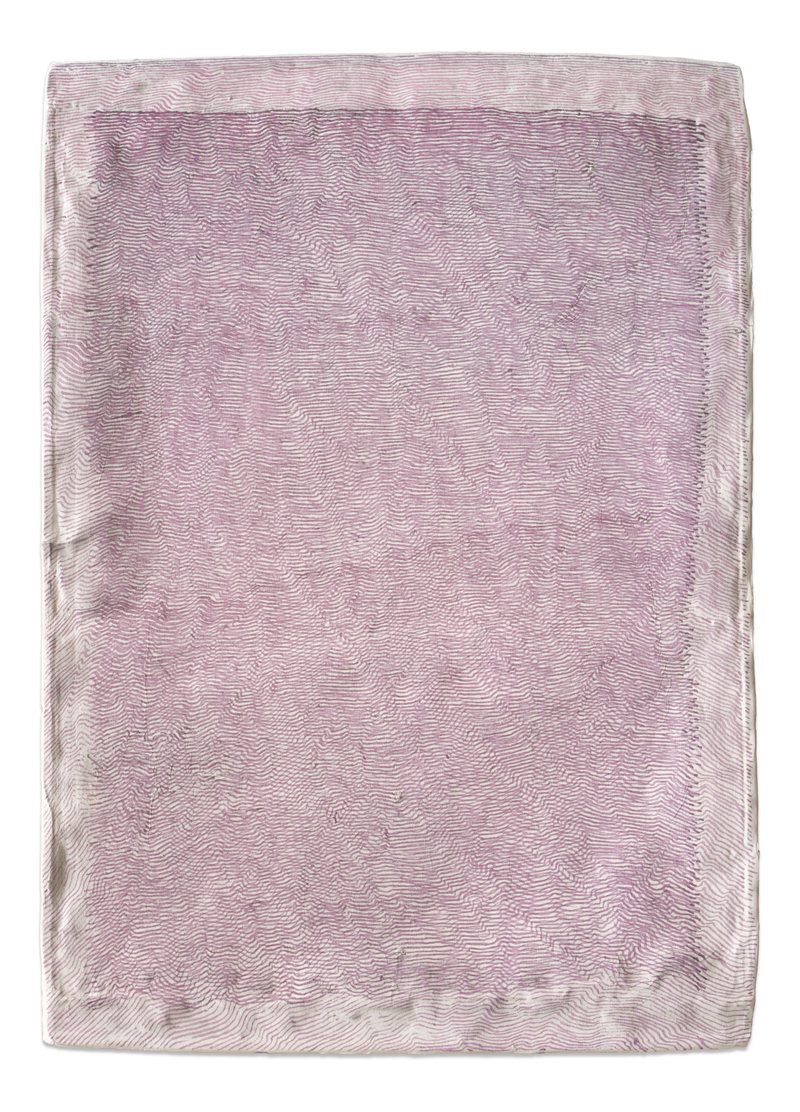
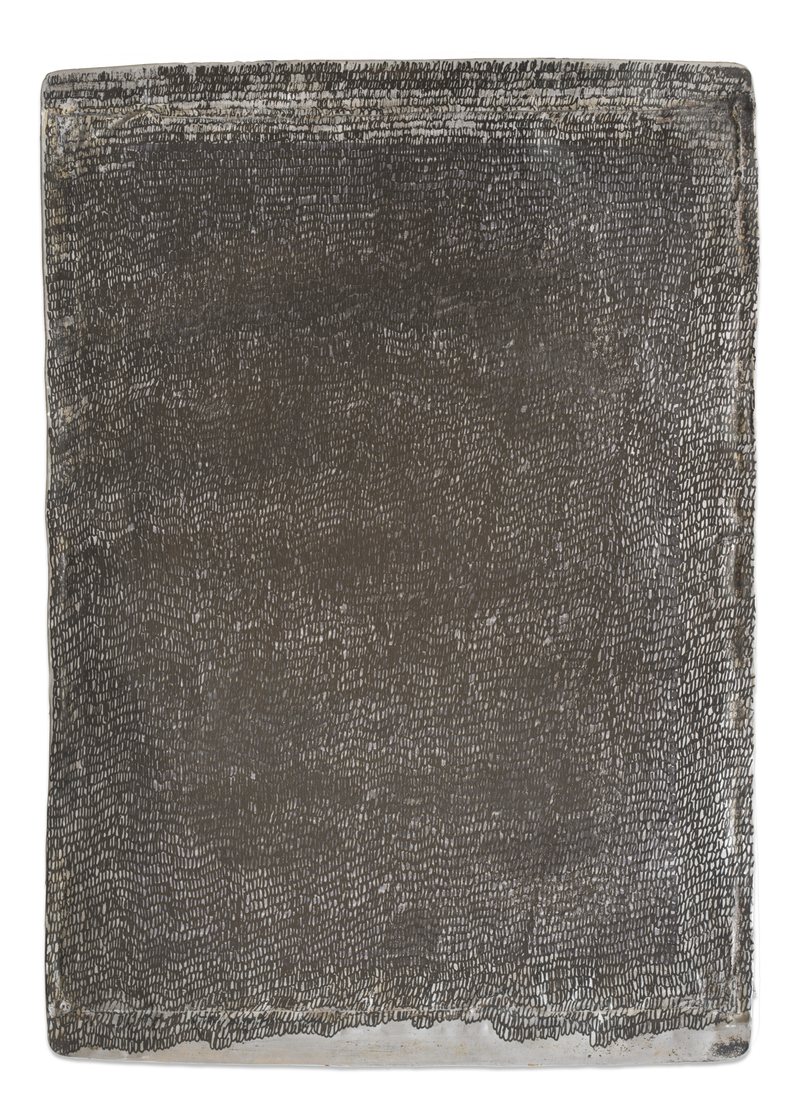
My recent works – we are now speaking about painting – are derived from drawings, from very tedious work in drawing. I decided I had to cancel my creativity in a way and focus on the process, and to find a kind of rhythm, an inner rhythm in working with this type of practice.
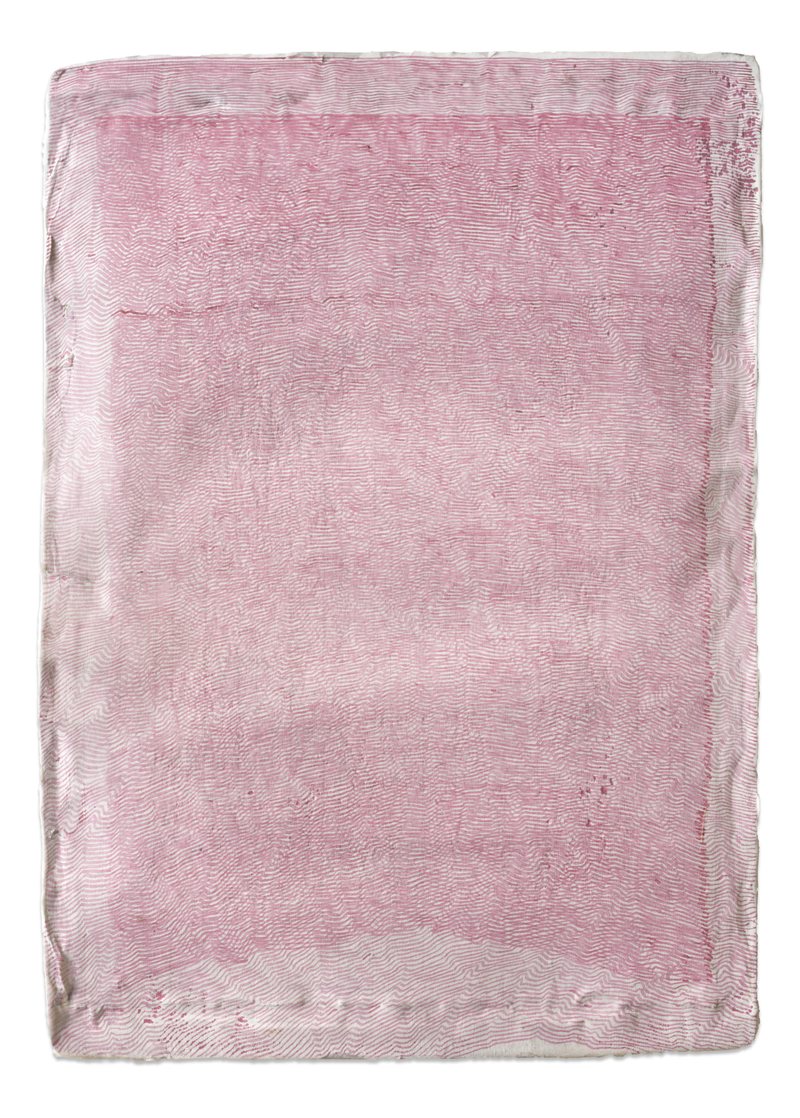
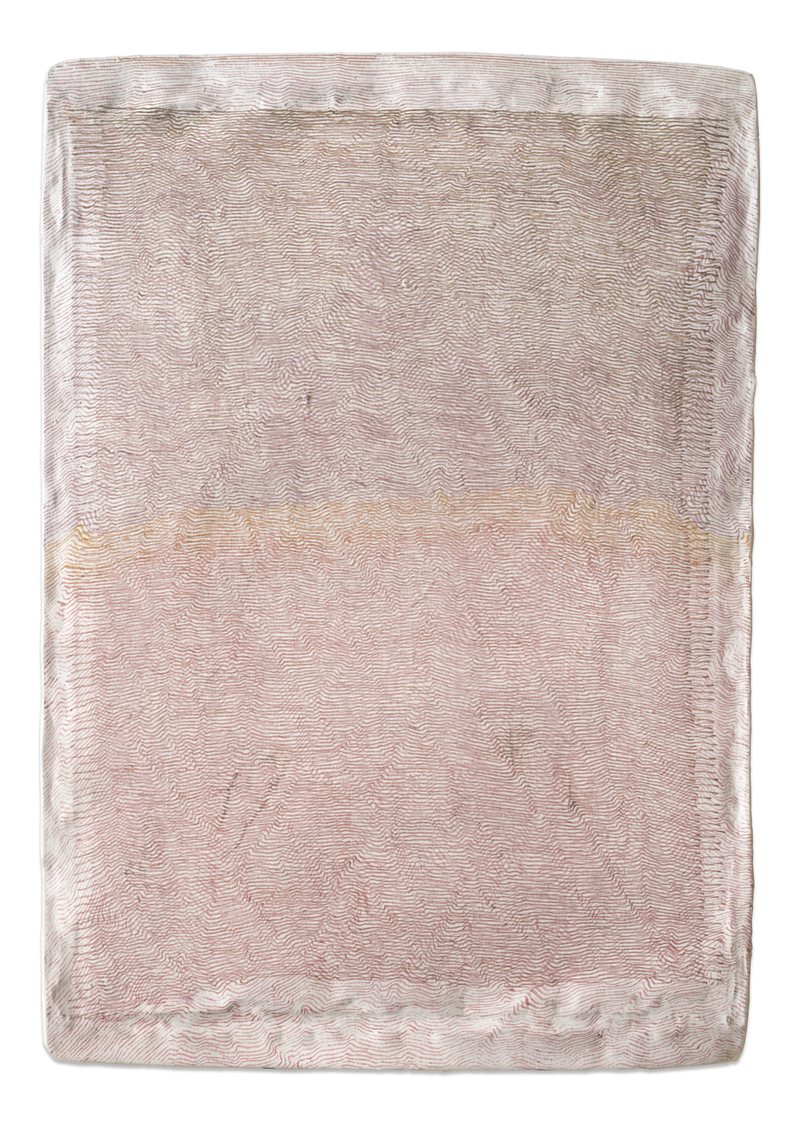
From those very tedious works with very fine ink pens on very smooth surfaces, I needed to switch to painting, which is a very different medium. In drawing, when you have one colour – black, red, or white – on a surface, the relation between the material of the drawing and its support is quite direct. Painting is much more complex, very different from that simple approach.
What I like about this painting process is that there is always – or at least in a good situation – a kind of chaos, which for me is very important. A painting feels vivid – I don't know how we measure that –when your brain is in a research mode, in an experimental mode. A good moment in painting is when I’m reacting to the moments just before. It’s like a dialogue. It’s not an idea I put on the table or on the canvas and then illustrate.
Rainald: There is a question: what are you painting?
Sorin: Hmm… Who said that every painting is a self-portrait? I think a painter said that, but I cannot remember who. Actually, I refuse to answer this question directly. It’s probably a question floating around in every artist’s studio, but I refuse to take it too seriously.
I think there is a tangent with what Richard Serra said in an interview: an artist should never ask “why”, but only “how” and “what” – or “what” and “how”. So in a way it’s not the same, but I feel there is a connection between his statement and this problem of what we are painting, or what I am painting.
I would say that if I had to find a common ground for all of my paintings, it would be a fundamental feeling, a sense of wondering how an image becomes an image – from a white canvas, or from a piece of wood, or some other support. The process of building an image is, for me, the most fascinating thing in the studio.
If I’m doing abstract paintings, I actually don’t consider them abstract – but that’s another topic, or if I’m doing a landscape or a portrait, these terms aren't as important to me. So I would say: if we can react to this mystery of how an image becomes an image, or how an object becomes an image… —I don’t want to be too philosophical here, because I don’t have the tools—, but I think if we can locate this kind of mystery, then the answer to your question is somehow floating somewhere around it.
Rainald: You also mentioned before that you are not illustrating any ideas.
Sorin: No, not at all. Not at all. I think it’s the biggest mistake I ever made, and I’m saying that from my own experience. Maybe Salvador Dalí was thinking differently, I don’t know.
Painting should be itself, undressed of everything we pretend to understand from a Rubens painting, for example, or from a Caravaggio painting. We recognise the characters there; we can recognise a biblical scene, a historical event, or something like that. But do we really understand what that painting is? When I say this, I’m thinking about the way a larger audience usually approaches painting.
For example, I’m thinking of Francis Bacon. He is very famous, but the experience can be relevant for other artists as well. I am, as far as I can say, very far from his imagery. I’m not interested in his subjects at all, but I get emotional every time I see his paintings.
There is something almost miraculous when you get close to a Francis Bacon painting, and you see how he uses the surface, how he uses materiality, how he prepares the canvas, and so on. For me, the subject doesn’t matter here. I’m not interested in what Francis Bacon wanted to show there, because the painting itself speaks more than its subject.
Rainald: So I would also like to come back to the point you mentioned about Richard Serra and the two questions,“how” and “what”. But I also want to address the third question, which you should never somehow address: “why”. Why?
Sorin: The answer is contained in my biography. I had the chance to do all sorts of things in my life. I studied computer science for 5 years, and during that time, I also began preparing for art. There is a need to express yourself. We all do this. If you look at children, you will see that they need to show us what they have done, what they have built, what they have drawn, and so on. For adults like us, it’s the same, nothing more. There is this need to express ourselves, maybe to find a sort of balance.
You should only do art if you’re not able to do anything else. Somehow, I think this could be a good test for a young person who feels drawn to art. If you can abstain from making art, you should abstain and do something else, be a taxi driver, a businessperson, whatever. But if you cannot refrain from doing art, then you should do it, and then fully assume the position of doing art, with everything that comes with it.
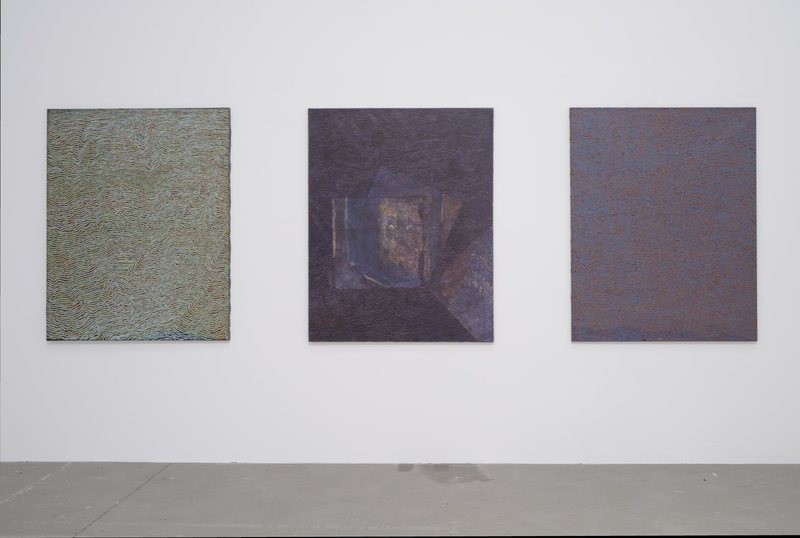
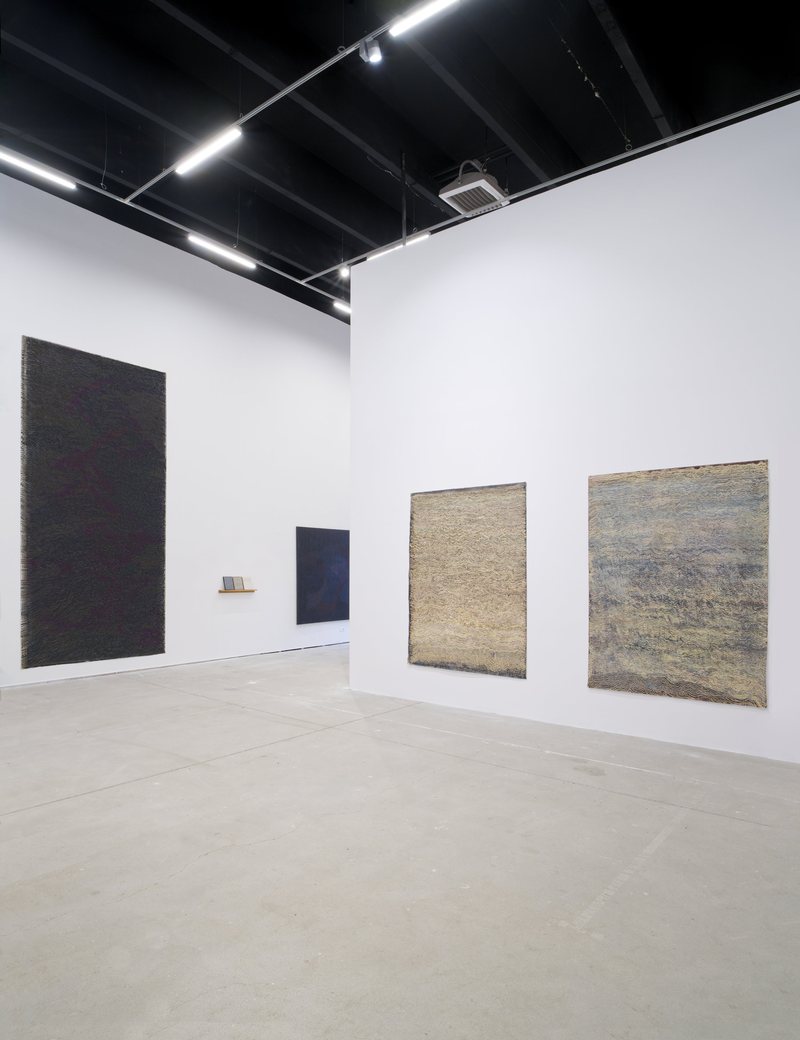
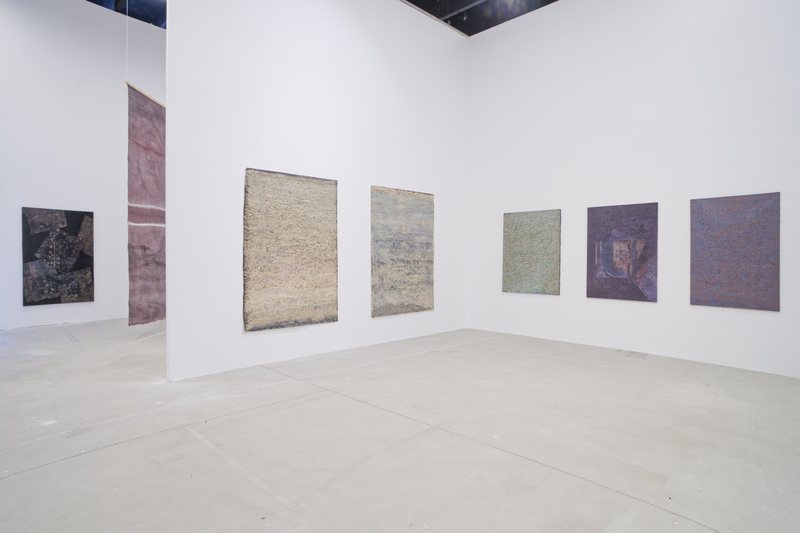
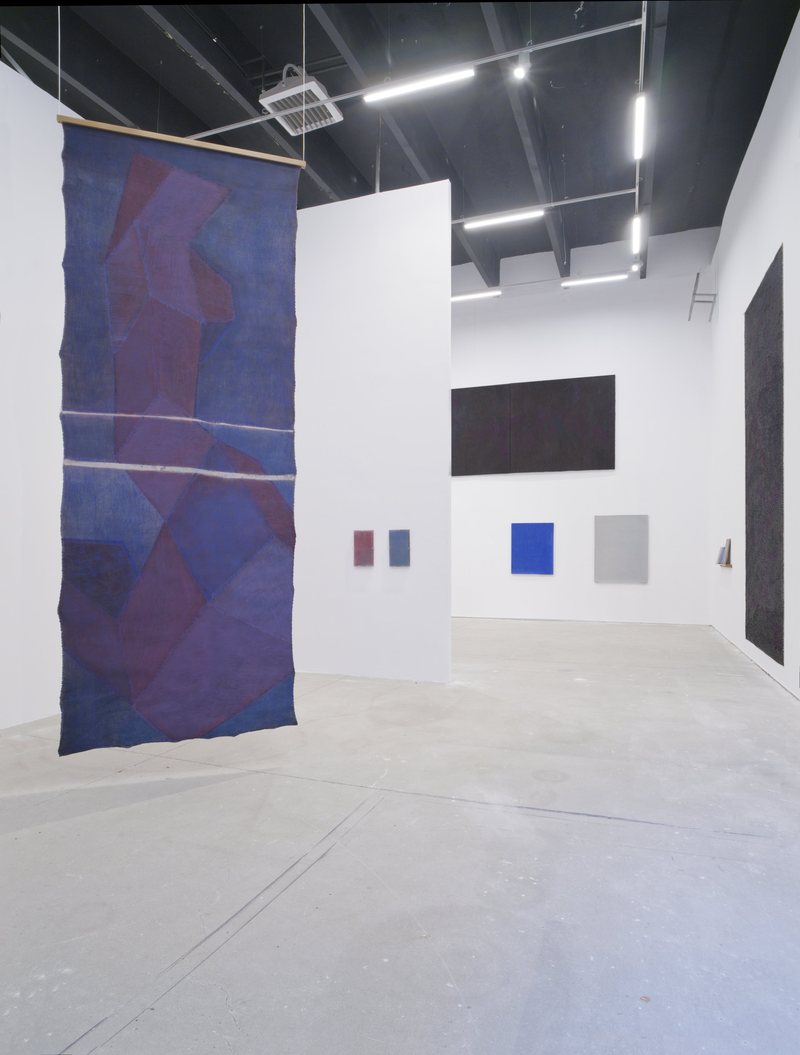
Rainald: You’ve mentioned before that, in some way, maybe all these works by you – or even all art – is somehow related to a kind of self-portrait. We also have in the exhibition a very early self-portrait that has been changed and adapted. And now we have these new works, which are more or less built up with lines – changing lines, and all the stories between lines – that become a vast kind of network or structure. Visually, it doesn’t have much to do with lines as single things anymore. But how can I also see these works as self-portraits?
Sorin: Of course, it’s evident that I am using my own image. Generally, my attitude towards myself is pretty critical, self-critical. I’m rarely satisfied with what I am doing in the studio. I’m not patting myself on the back when I say that; I’m just rarely confident with the work.
In a very superficial self-projection, I would say that I’m not a narcissistic person. If you asked me about myself, even now, I would say that. But there is something very strange: when I am in the studio, sometimes I need to do these self-portraits.
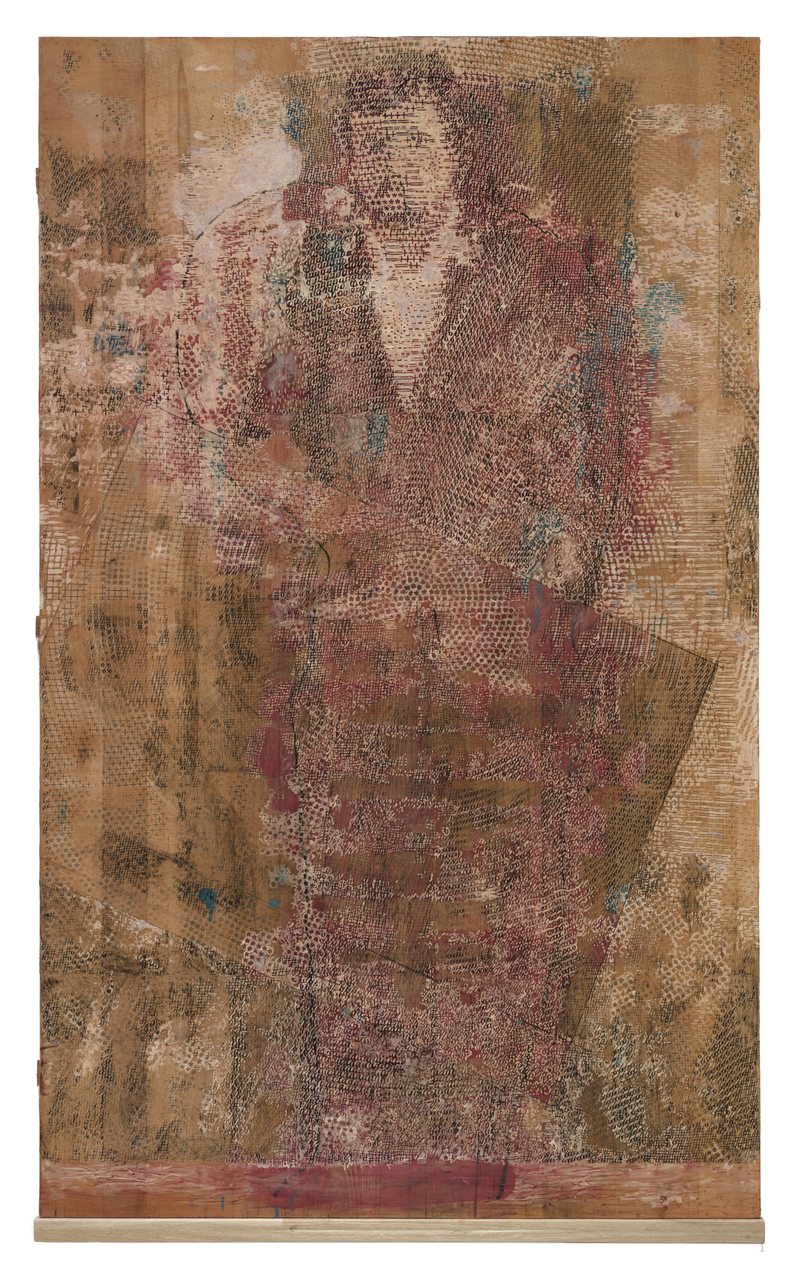
The one you’re mentioning is more than a self-portrait. The starting point is a photograph of myself showing a self-portrait oil painting. I think it’s maybe a pinnacle of narcissism, in a way. Some of these works are made by digital print transfer. Ten years ago, I made a mistake on a big painting, about two metres by one and a half. The mistake was in the transfer process, so I ended up with two heads on the canvas—me, having two heads. I got scared by that painting, and I covered it up. Now I regret doing it, because I found that image again, and it wasn't so bad; there could have been another solution besides destroying it. This whole endeavour with the self-portrait, this series of works, is from ten years ago, even more. Today I’m not treating them as self-portraits; I’m working with them as containers of a very neutral subject.
But if we step back and look at the situation from outside, we see the gesture of someone, an artist, who is showing a painting. And here, I think, there is something meaningful.
I avoid discussing the whole history of the self-portrait in art. Still, if I think of the statement by that painter I initially mentioned, there is probably something true: every painting, in a way, can be a self-portrait.
Rainald: So it’s also like a mirror for yourself…
Sorin: Interestingly, you are mentioning this because in 2012, I started working with objects and performances. At that time, I was very dazed and confused, and I was very unsatisfied with what I was doing in my studio as a painter. I was making terrible paintings, and this is not just a heated, subjective evaluation of that moment. I needed to express myself, so I did those performances. There is a whole story behind them, but it’s not important now. I had the feeling in that moment that, through performance, I could achieve an emotional, wondering state I was trying to reach in painting. And at that time, I wrote in somwhere in my notebooks that painting is the cruellest mirror I can have.
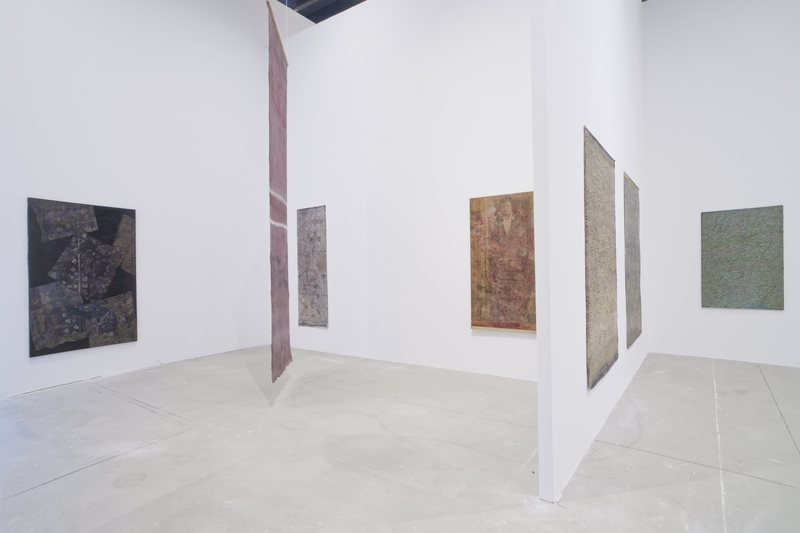
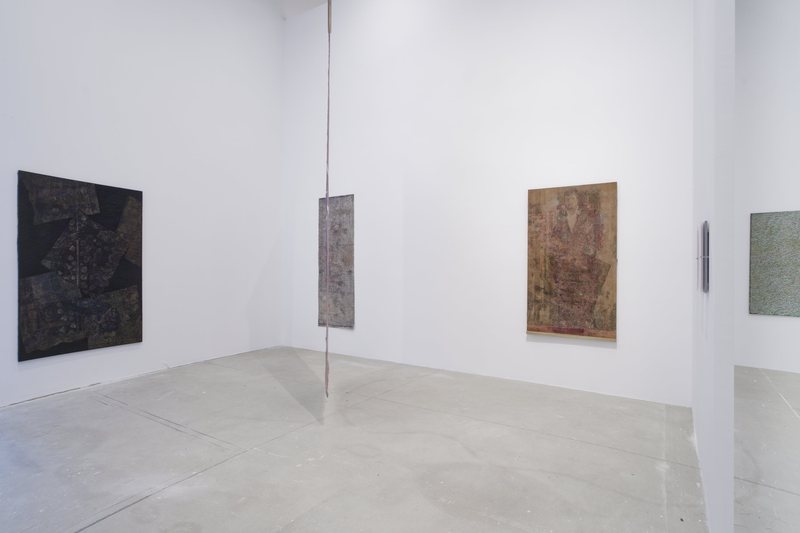
Rainald: In the exhibition, you have already spoken about some of the older paintings, and about the very critical view you have of some of these older works. Some paintings from this past period are also in the exhibition, but they are overpainted.
Sorin: Most of them.
Rainald: Most of them. It's somehow a mirror of yourself. It's getting overlaid with a newer mirrored image. What is the process...?
Sorin: The process starts with the desperate measures of hiding what I have found, of what I was doing in the past... I'm often thinking too complicated. From time to time, I try to simplify my decisions. I look at a work and ask myself: If tomorrow I’m asked to show this painting in an exhibition, would I? And if the answer is no, I paint over it. Many works are in that situation, even those that were previously exhibited.
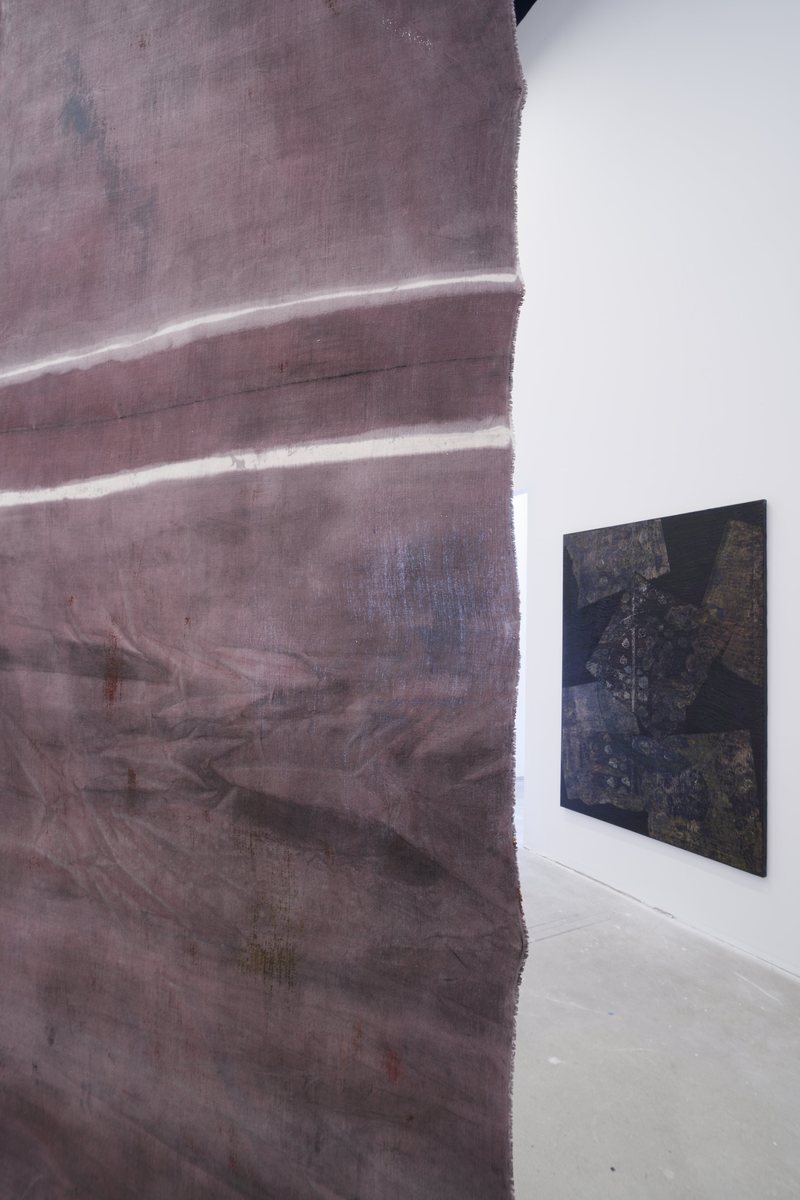
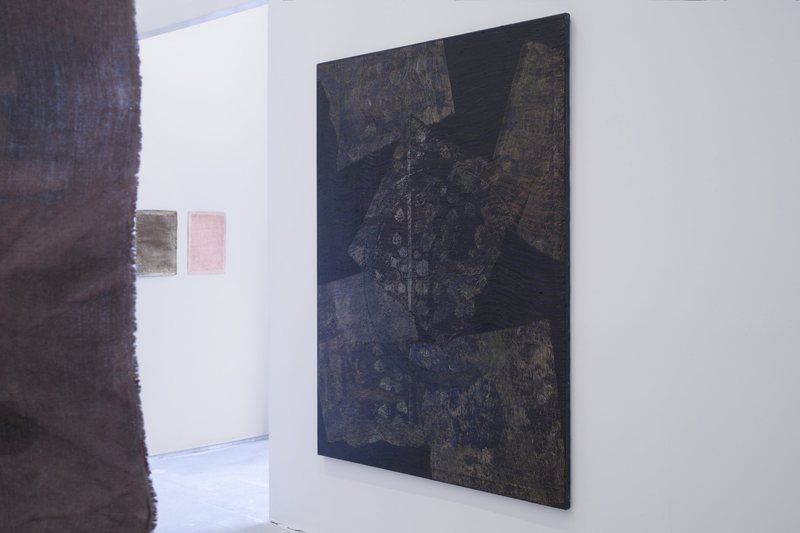
I need to paint on them because I’m not starting from a blank sheet of paper or canvas. I’m starting from a point – a very precisely defined point. When I repaint, I’m often interested not in hiding the history of that work. I may still see the materiality of the previous painting, or I might deliberately work with its last composition.
Sometimes I cover everything and then scratch back into it, and all the layers beneath – two, three, or even more – come to the surface and become visible again. For me, it’s fascinating how the dialogue between these different states of the painting comes into being and brings them together in a meaningful way.
So, in a way, I don’t know if it’s about mirroring me, but there is a mirroring – a beautiful mirroring, or a beautiful happening – between these two, three, or four states of the same object, which can span from two years to twenty years.
Rainald: The process itself of working with a line, even with a very free line, and this extended period until the painting might be finished, or at least temporarily finished… it seems to me like a calming, almost meditative kind of practice. Is that how it feels for you, too? Is it something I only sense, or is it something you think about?
Sorin: No, I think you’re definitely right. But it’s not an intention; it’s a consequence. I didn’t intend to meditate while making these works. I was trying to avoid laziness. Even now, when I don’t have any idea, I say: “Okay, let’s make a drawing”. And I sit with an A4 sheet of paper. I can stay there four or six hours, depending on how fine the line is. So yes, there is a meditative consequence.
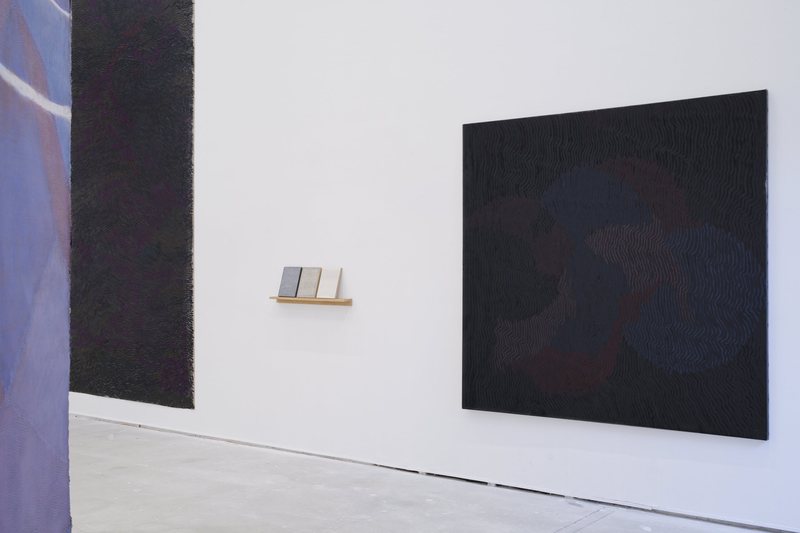
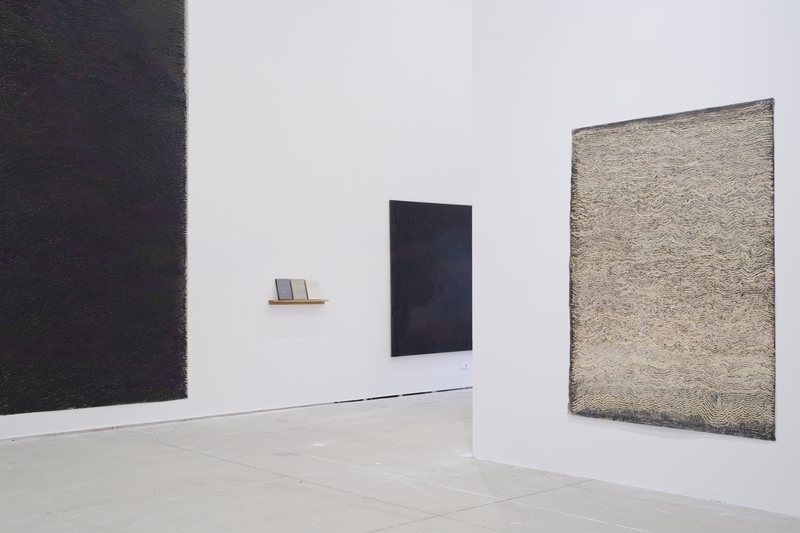
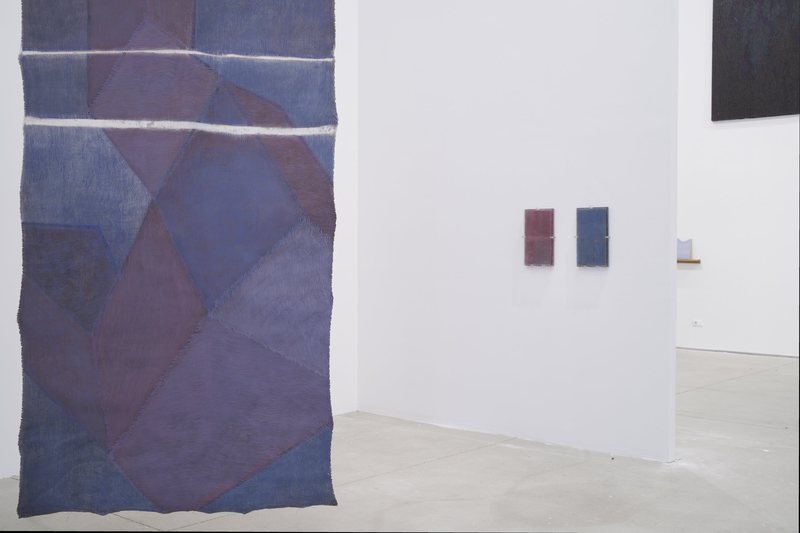
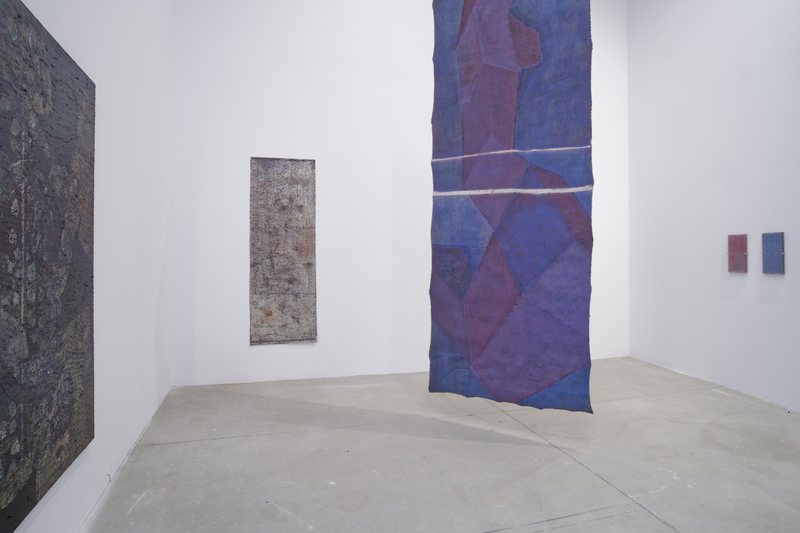
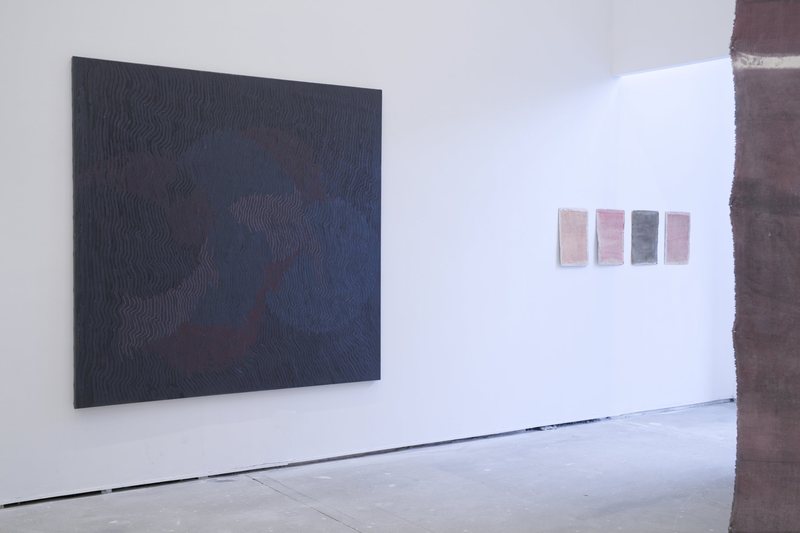
But I don’t think I’m in some perfect meditative state of mind, because you get tired, you need breaks; after an hour, you need to move, to stretch your back, and so on. Still, there is something there: I don’t get bored drawing those lines because I’m curious what the following five lines, or the following ten or fifteen lines, will do, what they will draw. It’s a drawing where the lines become surfaces, if a surface can itself be a drawing. This situation of lines becoming surfaces is also part of that wondering. I’m very eager to see it finalized, to see what the outcome will be.
Rainald: And do you see something in them that relates to visual reality? Do you have associations – from these lines that are growing and developing – to things in the visible world?
Sorin: No, no. I suppose your question is whether I have any reference to visual reality. Not at all. I’m not looking at the lines in a traditional “abstract” way either. They are a kind of reality for me in themselves.
After a while, of course, I get observations from other people: that the lines together look like a topographical landscape, or like a Chinese landscape, as you said yesterday. Different reactions grow around the work, and they help me to go further, to understand that after you’ve done something, you don’t really own it anymore. But no, I don’t have any specific references to reality. The references are there, in a way, without me.
Timișoara, 22 octombrie 2025
Rainald: Suntem aici, în atelierul lui Sorin Neamțu din Timișoara și, împreună cu Nathalie Hoyos, pregătim viitoarea expoziție a acestui artist la Suprainfinit, în București, care se va deschide pe 15 noiembrie, anul acesta. E o ocazie rară să fim în atelierul artistului, așa că ne bucurăm că avem prilejul să îi adresăm câteva întrebări.
Este vorba despre pictură – un mediu vechi, tradițional – așa că încercăm să abordăm subiectul cu întrebări directe. Iar prima ține mai degrabă de partea tehnică, de procesul picturii. Sorin, te rog spune-ne cum pictezi.
Sorin: Îți pot spune cum pictez acum. Este, aș spune, un proces lent. Picturile pe care le-am făcut în ultimii trei ani sunt realizate deliberat lent. Cred că e esențial să subliniez asta: acest proces intenționat lent a fost, într-un fel, în contradicție cu practica mea de până în, să zicem, 2022.
Sunt un tip oarecum speculativ, cineva care se relaționez spontan cu mediul înconjurător și cu lumea, iar asta se reflecta destul de bine în ceea ce făceam înainte.
Așadar, pornind de la un mod aproape performativ de a picta, acum zece ani – lucrând simultan pe pânze mari sau mici, cu aceeași culoare sau cu aceeași pensulă, cu o intenție gestuală – am ajuns, mai recent, la o abordare foarte diferită, aproape opusă.
De fapt, versiunea scurtă a poveștii este că stăteam aici pe fotoliu, așteptând inspirația. A fost un proces ciudat, pentru că implica lene și tot felul de proiecții despre ceea ce aș fi putut picta eventual, pe acea pânză albă, gata să fie pictată.
La un moment dat, acest tip de raport cu atelierul a devenit neproductiv. Așa că am decis că trebuie să lucrez.Orice ar fi fost, dar pur și simplu trebuia să lucrez.
Lucrările mele recente – vorbim despre pictură – derivă din desene, dintr-o muncă foarte migăloasă de desen. Am decis că trebuie, într-un fel, să îmi „anulez” creativitatea și să mă concentrez pe proces, să găsesc un fel de ritm, un ritm interior al lucrului în acest tip de practică.
Pornind de la acele lucrări extrem de migăloase, cu penițe foarte fine, pe suprafețe foarte netede, a trebuit să trec la pictură, care este un mediu cu totul diferit. În desen, când ai o singură culoare – negru, roșu sau alb – pe o suprafață, relația dintre materie și suport este destul de directă. Pictura este mult mai complexă, foarte diferită de această abordare simplă.
Ceea ce îmi place la acest proces al picturii este că există întotdeauna – sau cel puțin, într-o situație bună – un fel de haos, care pentru mine este foarte important. O pictură o simți vie – nu știu cum am putea măsura asta – atunci când creierul tău intră într-un mod de cercetare, de experimentare. Un moment bun în pictură este acela în care reacționez la momentele de dinainte. E ca un dialog. Nu este o idee pe care o pun pe masă sau pe pânză și apoi o ilustrez.
Rainald: Există o întrebare: ce picitezi?
Sorin: Hmm… Cine a spus că fiecare pictură este un autoportret? Cred că un pictor a spus asta, dar nu îmi mai amintesc cine. De fapt, refuz să răspund direct la această întrebare. Probabil că este o întrebare care plutește în jurul fiecărui atelier de artist, dar eu refuz să o iau prea în serios.
Cred că există aici o tangență cu ceea ce a spus Richard Serra într-un interviu: un artist nu ar trebui să se întrebe niciodată „de ce”, ci doar „cum” și „ce” – sau „ce” și „cum”. Nu e chiar același lucru, dar simt o legătură între afirmația lui și această problemă a ceea ce pictăm, sau a ceea ce pictez eu.
Aș spune că, dacă ar trebui să găsesc un teren comun pentru toate picturile mele, acesta ar fi un sentiment fundamental, un fel de mirare în fața modului în care o imagine devine imagine – pornind de la o pânză albă, sau de la o bucată de lemn, sau de la un alt tip de suport. Procesul construirii unei imagini este, pentru mine, cel mai fascinant lucru din atelier.
Dacă fac picturi abstracte, de fapt nu le consider abstracte – dar asta e altă discuție – sau, dacă fac un peisaj sau un portret, acești termeni nu sunt atât de importanți pentru mine. Așadar, aș spune: dacă putem reacționa la acest mister al felului în care o imagine devine imagine, sau al felului în care un obiect devine imagine… — nu vreau să devin prea filozofic aici, pentru că nu am instrumentele —, dar cred că, dacă putem localiza acest tip de mister, atunci răspunsul la întrebarea ta plutește undeva în jurul lui.
Rainald: Ai menționat și mai devreme că nu ilustrezi idei.
Sorin: Nu, deloc. Deloc. Cred că acesta este cea mai mare greșeală pe care am făcut-o vreodată, și o spun din propria mea experiență. Poate că Salvador Dalí gândea altfel, nu știu.
Pictura ar trebui să fie ea însăși, dezbrăcată de tot ceea ce pretindem că înțelegem dintr-o pictură de Rubens, de exemplu, sau de Caravaggio. Recunoaștem personajele de acolo; putem recunoaște o scenă biblică, un eveniment istoric sau ceva de acest gen. Dar înțelegem cu adevărat ce este acea pictură? Când spun asta, mă gândesc la felul în care un public mai larg se raportează, de obicei, la pictură.
Mă gândesc, de exemplu, la Francis Bacon. Este foarte cunoscut, dar experiența poate fi relevantă și pentru alți artiști. Eu sunt, din câte pot spune, foarte departe de imaginarul lui. Nu mă interesează deloc subiectele lui, dar de fiecare dată când îi văd picturile, mă emoționez.
Se întâmplă ceva aproape miraculos atunci când te apropii de o pictură de Francis Bacon și vezi cum folosește suprafața, cum lucrează cu materialitatea, cum pregătește pânza ș.a.m.d. Pentru mine, aici subiectul nu contează. Nu mă interesează ce a vrut să arate Francis Bacon acolo, pentru că pictura însăși spune mai mult decât subiectul ei.
Rainald: Aș vrea să revin și la punctul pe care l-ai menționat, legat de Richard Serra și cele două întrebări, „cum” și „ce”. Dar vreau să ating și a treia întrebare, pe care, cumva, nu ar trebui să o pui niciodată: „de ce”. De ce?
Sorin: Răspunsul este conținut în biografia mea. Am avut șansa să fac tot felul de lucruri în viață. Am studiat informatica timp de cinci ani și, în același timp, am început să mă pregătesc pentru artă. Există o nevoie de a te exprima. Toți facem asta. Dacă te uiți la copii, vezi că au nevoia să ne arate ce au făcut, ce au construit, ce au desenat și așa mai departe. Pentru adulți ca noi e la fel, nimic mai mult. Există această nevoie de a ne exprima, poate de a găsi un fel de echilibru.
Ar trebui să faci artă doar dacă nu ești în stare să faci altceva. Cumva, cred că acesta ar putea fi un test bun pentru un tânăr care simte că este atras de artă. Dacă te poți abține de la a face artă, ar trebui să te abții și să faci altceva – să fii taximetrist, om de afaceri, orice. Dar dacă nu poți să te abții de la a face artă, atunci ar trebui să o faci și să îți asumi pe deplin poziția de a face artă, cu tot ce vine la pachet cu asta.
Rainald: Ai menționat mai devreme că, într-un fel, poate toate aceste lucrări ale tale – sau chiar toată arta – sunt, cumva, legate de un fel de autoportret. Avem, de asemenea, în expoziție un autoportret foarte timpuriu, care a fost schimbat și adaptat. Iar acum avem aceste lucrări noi, construite, mai mult sau mai puțin, din linii – linii care se schimbă și toate poveștile dintre linii – care devin un fel de rețea sau structură vastă. Vizual, nu mai are prea mult de-a face cu linia ca element singular. Dar cum pot să văd și aceste lucrări ca autoportrete?
Sorin: Desigur, este evident că folosesc propria mea imagine. În general, atitudinea mea față de mine însumi este destul de critică, auto-critică. Sunt rareori mulțumit de ceea ce fac în atelier. Nu mă bat singur pe umăr când spun asta; pur și simplu am puțină încredere în ceea ce fac.
Dacă ar fi să mă autoevaluez, superficial poate, aș spune că nu sunt o persoană narcisică. Dacă m-ai întreba acum despre mine, tot asta aș spune. Dar există ceva foarte ciudat: uneori, în atelier, simt nevoia să fac aceste autoportrete.
Cel la care te referi este mai mult decât un autoportret. Punctul de plecare este o fotografie cu mine arătând un autoportret în ulei. Cred că este, poate, un vârf al narcisismului, într-un fel. Unele dintre aceste lucrări sunt realizate prin transfer de print digital. Acum zece ani am greșit la o lucrare mare, cam doi metri pe un metru și jumătate. Greșeala a fost în procesul de transfer, așa că m-am trezit cu două capete pe pânză—eu deci, având două capete. M-am speriat de lucrarea aceea și am acoperit-o. Acum îmi pare rău, pentru că am regăsit imaginea și nu era chiar atât de rea; ar mai fi putut exista o altă soluție în afară de a o distruge. Întreaga aventură cu autoportretul, această serie de lucrări, este de acum zece ani, chiar mai mult. Astăzi nu le mai tratez ca autoportrete; lucrez cu ele ca și cum ar fi niște „containere” ale unui subiect foarte neutru.Dar dacă facem un pas înapoi și privim situația din afară, vedem gestul cuiva, al unui artist, care arată o pictură. Iar aici, mi se pare, e ceva semnificativ.
Evit să intru în toată istoria autoportretului în artă. Totuși, dacă mă gândesc la afirmația pictorului pe care l-am menționat la început, probabil că este ceva adevărat acolo: orice pictură, într-un fel, poate fi un autoportret.
Rainald: Este și ca o oglindă pentru tine…
Sorin: Interesant că spui asta, pentru că în 2012 am început să lucrez cu obiecte și performance-uri. Atunci eram foarte bulversat și confuz, foarte nemulțumit de ceea ce făceam în atelier, ca pictor. Făceam picturi teribile, și asta nu e doar o evaluare la cald, subiectivă, a acelui moment. Aveam nevoie însă să mă exprim, așa că am făcut acele performance-uri. Este o întreagă poveste în spatele lor, dar nu e importantă acum. Aveam senzația, în acel moment, că prin performance pot ajunge la o stare de emoție și de mirare pe care încercam să o ating în pictură. Și atunci am scris undeva în carnetele mele că pictura este cea mai crudă oglindă pe care o pot avea.
Rainald: În expoziție ai vorbit deja despre unele dintre picturile mai vechi și despre felul foarte critic în care privești o parte dintre aceste lucrări. Unele picturi din acea perioadă se află și în expoziție, dar sunt repictate.
Sorin: Cele mai multe.
Rainald: Cele mai multe. Este, cumva, o oglindă a ta. Peste ea se suprapune o nouă imagine oglindită. Care este procesul...?
Sorin: Procesul începe cu măsuri disperate de a ascunde ceea ce am găsit acolo, ceea ce făceam în trecut... De multe ori gândesc prea complicat. Din când în când încerc să-mi simplific deciziile. Mă uit la o lucrare și mă întreb: dacă mâine mi s-ar cere să arăt acest tablou într-o expoziție, aș face-o? Iar dacă răspunsul este nu, pictez peste el. Multe lucrări sunt în situația asta, chiar și unele care au fost deja expuse.
Simt nevoia să pictez pe ele pentru că nu pornesc de la o foaie sau o pânză albă. Pornesc de la un punct – un punct foarte clar definit. Când repictez, sunt adesea interesat să păstrez ceva din istoria acelei lucrări. Se poate păstra ceva din materialitatea picturii anterioare, sau in mod deliberat, pot lucra cu ultima ei compoziție.
Uneori acopăr totul cu materie, revin apoi cu zgârieturi, iar toate straturile de dedesubt – două, trei sau chiar mai multe – ies la suprafață și devin din nou vizibile. Pentru mine e fascinant cum apare dialogul dintre aceste diferite stări ale picturii și cum ajung împreună, într-un mod plin de sens.
Așa că, într-un fel, nu știu dacă e vorba despre a mă oglindi pe mine, dar există o oglindire – o oglindire frumoasă, sau o frumoasă întamplare – între aceste două, trei sau patru stări ale aceluiași obiect, pe care le desparte un interval de la doi ani la douăzeci de ani.
Rainald: Procesul în sine, al lucrului cu o linie, chiar și cu o linie foarte liberă, și această perioadă extinsă până când pictura ajunge să fie terminată, sau măcar provizoriu terminată… mie îmi pare un tip de practică liniștitoare, aproape meditativă. Așa se simte și pentru tine? Este ceva ce doar percep eu sau este ceva la care te gândești și tu?
Sorin: Cred că ai perfectă dreptate. Dar nu este o intenție, este o consecință. Nu mi-am propus să meditez în timp ce fac aceste lucrări. Încercam să evit lenea. Chiar și acum, când nu am nicio idee, îmi spun: „Bine, hai să fac un desen”. Și stau cu o coală A4 în față. Pot să stau acolo patru sau șase ore, în funcție de cât de fină este linia. Deci da, există o consecință meditativă.
Dar nu cred că sunt într-o stare perfect meditativă, pentru că obosești, ai nevoie de pauze; după o oră trebuie să te miști, să-ți întinzi spatele și așa mai departe. Totuși, e ceva acolo: nu mă plictisesc desenând liniile acelea, pentru că sunt curios ce vor face următoarele cinci linii, sau următoarele zece sau cincisprezece linii, ce vor „desena” ele. Este un desen în care liniile devin suprafețe, dacă o suprafață poate, la rândul ei, să fie desen. Această situație, în care liniile devin suprafețe, face și ea parte din acea stare de mirare. Sunt foarte nerăbdător să o văd finalizată, să văd care va fi rezultatul.
Rainald: Și vezi în ele ceva care are legătură cu realitatea vizuală? Ai asocieri – pornind de la aceste linii care cresc și se dezvoltă – cu lucruri din lumea vizibilă?
Sorin: Nu, nu. Presupun că întrebarea ta este dacă am vreo referință la realitatea vizuală. Deloc. Nici nu privesc liniile într-un mod „abstract” tradițional. Ele sunt pentru mine un fel de realitate în sine.
După un timp, desigur, primesc observații de la alți oameni: că liniile împreună arată ca un peisaj topografic sau ca un peisaj chinezesc, cum ai spus tu ieri. Se adună tot felul de reacții în jurul lucrării, iar ele mă ajută să merg mai departe, să înțeleg că, după ce ai făcut ceva, nu-ți mai aparține cu adevărat.Dar nu, nu am referințe specifice la realitate. Referințele sunt acolo, într-un fel, fără mine.